It usually doesn’t happen in one dramatic moment. One day your home feels light and manageable, and the next it feels slightly heavier, with crumbs in corners, a faint layer of dust on shelves, laundry that never quite ends, and bathrooms that need attention again sooner than expected. That’s where a simple structure can change everything. A well-planned House Cleaning Checklist turns chaos into rhythm, helping your home feel consistently fresh instead of occasionally rescued.
Most people don’t struggle with cleaning itself, they struggle with keeping it organized in a way that actually fits real life.
Key Takeaways
- A weekly system prevents buildup and reduces deep-clean stress
- Small daily habits create long-term hygiene and comfort
- Structure matters more than intensity when maintaining a clean home
- Consistency improves both cleanliness and indoor air quality
Problem: Why homes feel harder to maintain than they should
Modern homes collect mess faster than ever. Between work, screens, meals on the go, and family routines, cleaning often becomes reactive instead of planned. You clean only when things feel overwhelming.
This is where a House Cleaning Checklist becomes less of a chore list and more of a stabilizing system. Without structure, cleaning becomes repetitive and emotionally draining. With structure, it becomes predictable and manageable.
A big misconception is that a clean home requires long hours of effort. In reality, consistency matters far more than intensity.
What a Weekly Cleaning System Actually Means
A House Cleaning Checklist is a structured weekly plan that organizes essential cleaning tasks by room and priority, helping maintain hygiene, comfort, and order without overwhelming effort.
In simple terms, it’s a repeatable system that keeps your home from sliding into deep clutter or dirt buildup.
How it works in real life:
- Break your home into key zones (kitchen, bathroom, bedrooms, living spaces)
- Assign simple weekly tasks to each zone
- Spread tasks across the week instead of doing everything at once
- Focus on high-touch and high-use areas first
- Reset and repeat every 7 days
This approach aligns with a modern weekly cleaning schedule that supports both busy individuals and families.
The Psychology Behind a Cleaner Home
A clean home does not just look better it feels different. Studies in environmental psychology show that cluttered or unclean spaces increase stress and reduce focus. One widely cited environmental health insight from the U.S. Environmental Protection Agency states that indoor air can be 2 to 5 times more polluted than outdoor air.
Source: https://www.epa.gov/indoor-air-quality-iaq/introduction-indoor-air-quality
That means your environment directly affects how you think, sleep, and function.
This is why a consistent House Cleaning Checklist is less about perfection and more about well-being.
A Simple Framework: The 3C Weekly Reset System
To make cleaning easier, here’s a practical structure used in many home cleaning checklist routines:
1. Clean
Focus on visible dirt and surfaces (dusting, wiping, vacuuming)
2. Contain
Organize clutter before it spreads (laundry, dishes, misplaced items)
3. Care
Maintain hygiene (disinfecting, refreshing linens, sanitizing high-touch areas)
This weekly home maintenance framework keeps things balanced instead of overwhelming.
Room-by-Room Weekly House Cleaning Checklist
A practical House Cleaning Checklist always works best when divided by space. Here’s how a structured routine looks in real life:
Kitchen cleaning checklist weekly
- Wipe countertops and cabinet handles
- Clean stovetop and sink
- Empty trash and replace liners
- Mop floors
Bathroom cleaning routine weekly
- Scrub toilet and sink
- Clean mirrors
- Disinfect faucets and handles
- Wash bath mats
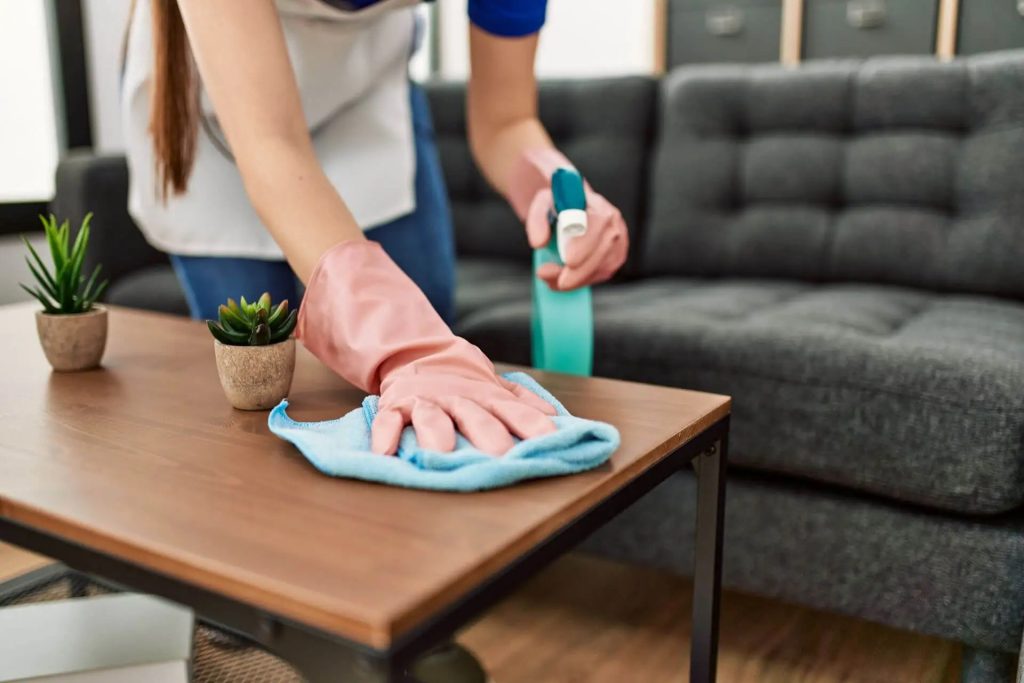
Living room cleaning checklist
- Dust surfaces and electronics
- Vacuum sofas and rugs
- Organize clutter
- Wipe remote controls
Bedroom cleaning checklist
- Change bed linens
- Dust nightstands
- Vacuum or sweep floors
- Organize clothing
This cleaning checklist for home ensures no area is neglected while keeping tasks realistic.
Weekly Cleaning Breakdown
| Practice | When it helps | Simple cue | Mistake |
| Daily quick clean | Light upkeep | 10–15 minutes daily | Ignoring hidden dust |
| Weekly reset using House Cleaning Checklist | Full home refresh | Same day every week | Skipping high-touch areas |
| Deep cleaning vs weekly cleaning | Monthly or seasonal buildup | Notice visible grime | Waiting too long between cleans |
Common Mistakes People Make
Even with a House Cleaning Checklist, people often fall into habits that reduce effectiveness:
- Doing everything in one exhausting day instead of spreading tasks
- Ignoring high-touch surfaces like switches and handles
- Focusing only on visible mess, not hidden dirt
- Treating cleaning as occasional instead of routine
A structured easy weekly cleaning routine avoids burnout and keeps momentum steady.
Real-World Example: How a routine changes everything
A family of four struggling with constant weekend cleaning decided to follow a structured House Cleaning Checklist instead of random cleaning sessions.
Instead of spending 5–6 hours on Saturday, they split tasks across the week. Kitchen cleaning happened daily in small steps, bathrooms were handled mid-week, and bedrooms were refreshed every Friday.
Within a month, their home felt consistently cleaner, and weekends were finally free again.
Even professional cleaners from BHB Services often recommend this approach to clients who want long-term control instead of short-term fixes. It aligns closely with what many providers of residential cleaning services in New Ipswich, NH encourage: small, consistent habits over occasional deep efforts.
Insight: Deep Cleaning vs Weekly Maintenance
A common misunderstanding is confusing deep cleaning with routine maintenance.
- Weekly House Cleaning Checklist = maintenance and hygiene control
- Deep cleaning = intensive restoration of neglected areas
Both matter, but they serve different purposes. Weekly routines prevent the need for constant deep cleaning.
Organized Home Cleaning Tips That Actually Work
A cleaner home is not about doing more, it’s about doing things smarter:
- Use timers to avoid over-cleaning one area
- Keep supplies in each major room
- Follow a consistent weekly cleaning schedule
- Don’t skip small tasks because they prevent bigger messes.
A structured House Cleaning Checklist supports long-term organized home cleaning tips without overwhelming your routine.
Quote to Remember
“The objective of cleaning is not just to clean, but to feel happiness living within that environment.”
Marie Kondo
Conclusion
A peaceful home isn’t created through occasional effort. It is built through repetition, structure, and small daily choices. A consistent House Cleaning Checklist helps you move from reactive cleaning to intentional living.
Over time, your home stops feeling like a task and starts feeling like a space that supports you.
Whether you manage it yourself or rely on professional help like residential cleaning services in New Ipswich, NH, the goal stays the same, less stress, more comfort, and a healthier environment.
Summary
A weekly cleaning routine transforms how a home feels and functions. Instead of overwhelming deep cleans, a structured system keeps hygiene steady and manageable. With simple room-based tasks and consistent habits, cleanliness becomes part of everyday life rather than a burden. The result is a healthier, calmer, and more organized home environment.
FAQs
1. What is the purpose of a House Cleaning Checklist?
It helps organize weekly cleaning tasks so your home stays consistently clean without stress or overload.
2. How often should I follow a weekly cleaning routine?
A weekly routine should be followed every 7 days for best hygiene and maintenance results.
3. What is the difference between weekly cleaning and deep cleaning?
Weekly cleaning maintains cleanliness, while deep cleaning focuses on removing long-term dirt buildup.
4. Can a House Cleaning Checklist save time?
Yes, it reduces decision fatigue and prevents mess from building up, saving time in the long run.
5. What rooms should I prioritize in weekly cleaning?
Focus on kitchens, bathrooms, bedrooms, and living areas since they are high-usage spaces.