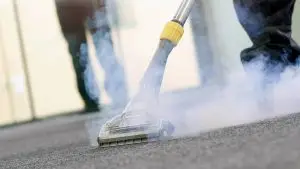
Maintaining cleanliness in warehouses and industrial facilities is not just about appearance. These environments are high-traffic, equipment-heavy spaces where cleanliness directly impacts safety, productivity, and compliance. A well-structured Commercial Cleaning Checklist helps facility managers stay organized, reduce risks, and maintain consistent standards across large operational areas.
Warehouses differ significantly from offices or retail spaces. Dust buildup, oil spills, loading dock debris, and machinery residue are common challenges. Without a clear checklist, critical cleaning tasks can be missed, leading to unsafe conditions, equipment damage, or regulatory issues. This guide explains what an effective warehouse and industrial cleaning checklist should include and why it matters.
Why a Commercial Cleaning Checklist Matters in Warehouses
A Commercial Cleaning Checklist ensures that all areas of a warehouse or industrial site are cleaned systematically rather than reactively. Large facilities often have multiple zones such as storage aisles, production floors, loading docks, restrooms, and break areas. Each space has different cleaning requirements and safety considerations.
Using a checklist promotes consistency, accountability, and compliance with health and safety standards. It also helps identify problem areas early, such as excessive dust, blocked walkways, or spills, before they cause accidents or downtime.
Daily and Weekly Commercial Cleaning Checklist Tasks
A daily and weekly Commercial Cleaning Checklist focuses on high-traffic and high-risk areas. These tasks are essential for preventing accidents and maintaining smooth operations.
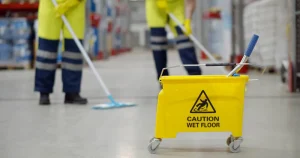
Daily tasks typically include sweeping and debris removal from walkways and aisles, trash disposal, spill cleanup, and restroom sanitation. Loading docks and entry points should also be checked daily, as they collect dirt and moisture from outdoor traffic.
Weekly tasks often involve more detailed cleaning such as wiping down workstations, cleaning break rooms, sanitizing frequently touched surfaces, and inspecting storage areas for dust buildup. These routine tasks help maintain order and reduce long-term maintenance costs.
Industrial Cleaning Services for Heavy-Duty Environments
Industrial facilities require specialized approaches that go beyond basic cleaning. Industrial cleaning services focus on removing grease, dust, and residue from machinery, walls, and structural surfaces without disrupting operations.
These services often include cleaning around production equipment, vents, and overhead surfaces where dust accumulates. Proper industrial cleaning supports equipment performance, reduces fire hazards, and helps facilities meet industry regulations. Including these tasks in a structured cleaning plan ensures they are completed safely and consistently.
Warehouse Cleaning Services for Storage and Logistics Areas
Warehouse cleaning services are designed to address large storage areas, shelving units, and inventory zones. Dust accumulation on racks and stored goods can impact air quality and product integrity.
A strong checklist includes scheduled dusting of shelving, clearing debris from pallet zones, and maintaining clean and visible aisle markings. Organized and clean storage areas improve workflow efficiency and reduce the risk of trips, falls, and damaged inventory.
Commercial Janitorial Services for Shared Spaces
Even in industrial environments, shared spaces play a major role in employee health. Commercial janitorial services focus on restrooms, break rooms, locker areas, and offices within warehouses.
These areas require regular sanitation to prevent the spread of germs. Tasks include disinfecting surfaces, replenishing supplies, cleaning sinks and appliances, and managing waste properly. Clean shared spaces contribute to better morale and lower absenteeism.
Industrial Floor Cleaning for Safety and Durability
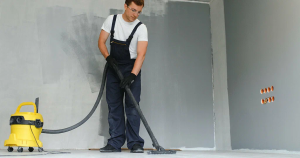
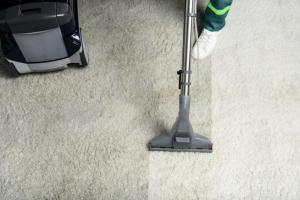
Floors in warehouses endure heavy wear from forklifts, pallets, and foot traffic. Industrial floor cleaning is a critical component of any effective Commercial Cleaning Checklist.
Routine sweeping removes debris that can damage equipment or cause slips. Periodic deep cleaning removes oil, grease, and chemical residue that compromise traction. Well-maintained floors not only look professional but also extend surface lifespan and improve workplace safety.
Workplace Safety and Sanitation Standards
Workplace safety and sanitation are closely tied to cleaning consistency. Warehouses must comply with safety regulations that address cleanliness, waste management, and hazard control.
A comprehensive checklist includes proper disposal of industrial waste, cleaning of emergency exits, clear signage visibility, and sanitation of high-touch areas. Clean environments reduce accidents and support compliance with inspections and audits.
Facilities that rely on Commercial cleaning services in New Ipswich, NH often use documented checklists to demonstrate ongoing safety and sanitation practices.
Monthly and Periodic Deep Cleaning Tasks
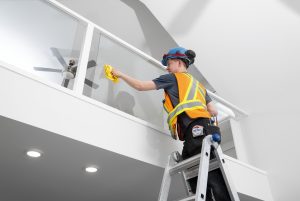
Beyond daily and weekly routines, a Commercial Cleaning Checklist should include monthly and periodic tasks. These often cover high and hard-to-reach areas such as ceilings, vents, lighting fixtures, and overhead beams.
Deep cleaning loading docks, storage zones, and exterior entryways also helps prevent dirt from spreading throughout the facility. Periodic inspections ensure that cleaning standards remain effective as operations change.
Benefits of a Structured Commercial Cleaning Checklist
A well-maintained Commercial Cleaning Checklist improves efficiency, reduces liability, and supports long-term facility management. It provides clarity for cleaning teams, ensures accountability, and helps managers track progress.
Consistent cleaning protects employees, equipment, and inventory while maintaining a professional and compliant work environment. Over time, this structured approach reduces unexpected maintenance costs and operational disruptions.
FAQs
1. Why is a cleaning checklist important for warehouses?
Warehouses have large spaces and safety risks. A checklist ensures no area is missed and helps prevent accidents.
2. How often should industrial facilities be deep cleaned?
Deep cleaning is typically done monthly or quarterly depending on facility size and activity levels.
3. Are warehouse cleaning needs different from office cleaning?
Yes, warehouses require heavy-duty cleaning for floors, equipment areas, and storage zones.
4. What areas should be cleaned daily in a warehouse?
Walkways, loading docks, restrooms, break rooms, and spill-prone zones should be cleaned daily.
5. Can a cleaning checklist support safety compliance?
Yes, documented cleaning routines help meet health, safety, and sanitation standards.